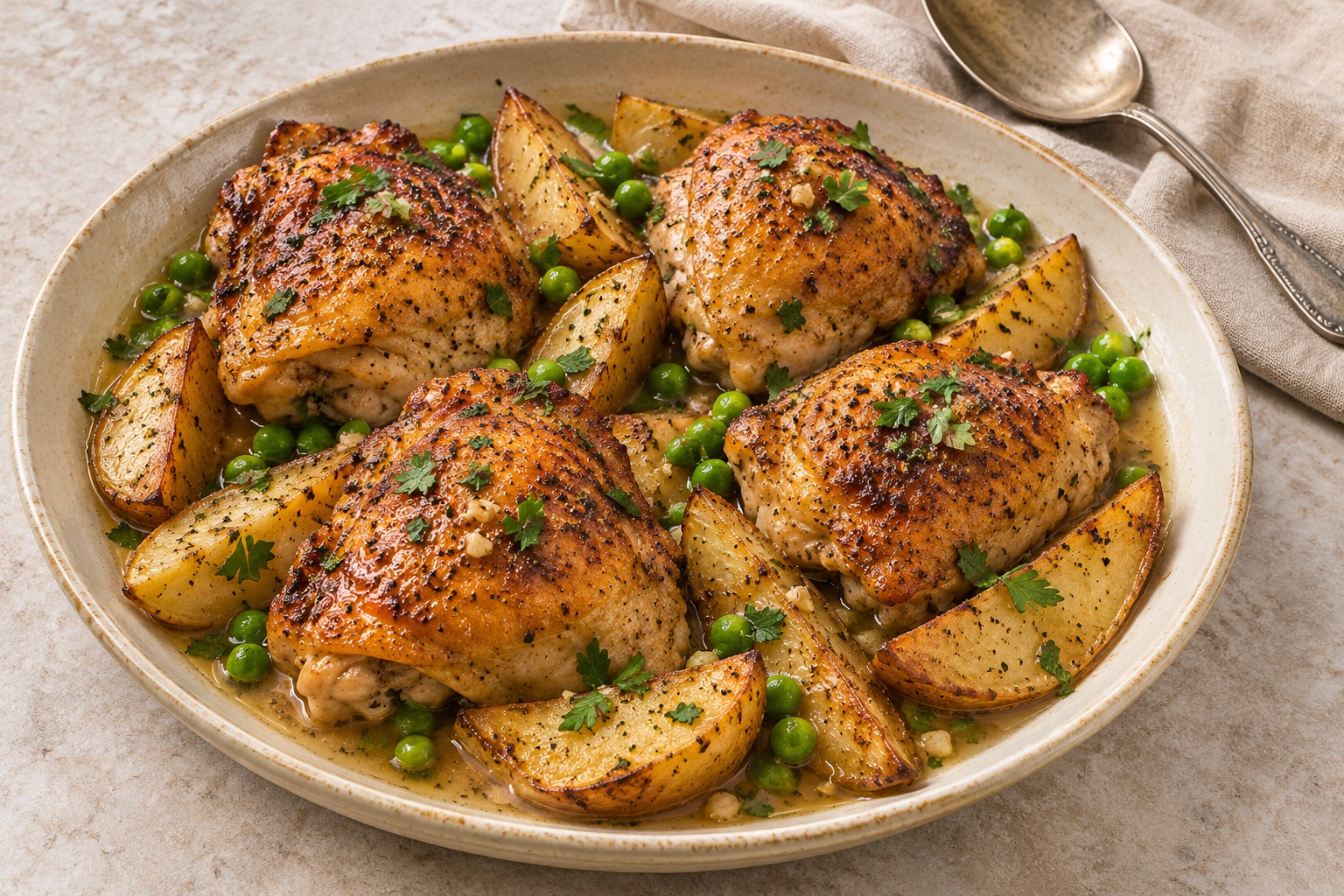
Brown the potatoes first, then sear the chicken skin in the same skillet. Wine lifts the browned bits into a light garlic sauce, and the uncovered oven finishes the chicken and potatoes together.
Harry Caray’s Italian Steakhouse listed Chicken Vesuvio on its 2017 Chicago dinner menu with quartered potatoes, peas, garlic and white wine. In 2007, Chicago Magazine printed the restaurant’s bone-in version. These records establish the dish on a Chicago table without settling who invented it.
For a home skillet, four bone-in thighs are easier to fit than a cut-up chicken. The potatoes go in first so they develop color while there’s room to turn them. Roast the chicken skin side up above the sauce, then add the peas in the last few minutes so they stay bright.
Why this version works
Roast uncovered Exposed skin stays drier than skin covered by a lid or submerged in sauce. Keep the pan juices below the skin.
Start skin side down Patting the skin dry and leaving it alone in the pan helps render its fat and gives it time to release.
Brown the wedges first Direct contact with the skillet gives the cut sides a golden crust. They spend the rest of the cooking time softening in the sauce.
Reduce before adding the stock A short simmer concentrates the wine and gives you time to scrape the flavorful browned bits into the sauce.
Ingredient notes
Peas Frozen peas can go right into the skillet. Scatter them around the thighs, not on top of the skin.
Bone-in thighs Choose four thighs of similar size, about 2 pounds total. Use a thermometer in the thickest part, away from the bone.
Dry white wine An unoaked Pinot Grigio or Sauvignon Blanc works. For a wine-free pan, use the same amount of low-sodium stock and brighten the finished sauce with lemon to taste.
Russet potatoes Cut each lengthwise into four roughly 1-inch-thick wedges. Leave the skins on if you like; keeping the thickness even is more important.
Step by step
Prep the chicken and wedges Heat the oven to 425°F (220°C), with a rack in the middle. Pat the thighs dry with paper towels. Season them with about three-quarters of the measured salt and half the pepper. Cut the potatoes lengthwise into 1-inch-thick wedges and pat the cut sides dry.
Brown the potatoes Heat the oil in a 12-inch ovenproof skillet over medium-high heat. Add the wedges in one layer with a cut side down. Cook 7 to 9 minutes total, turning once when the underside is golden. Season with the remaining measured salt and pepper, then transfer the wedges to a plate. They will still be firm.
Sear the chicken skin Lay the thighs skin side down in the skillet. Cook undisturbed for 6 to 8 minutes, until the skin is deep gold and lifts easily. Turn and cook for 1 minute. Move to a separate plate; the chicken is not cooked through yet. Spoon off excess fat, leaving about 1 tablespoon in the skillet.
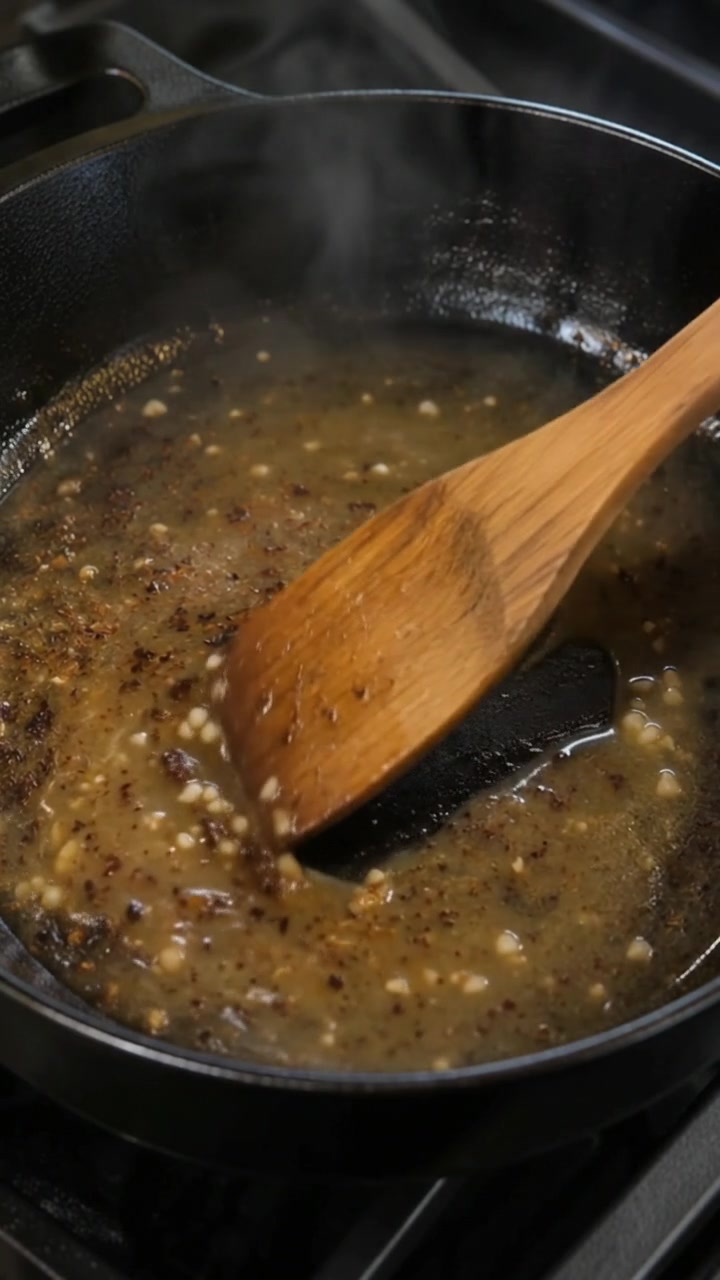
Deglaze the skillet Lower the heat to medium and stir the garlic and oregano in the fat for 20 to 30 seconds, just until fragrant. Take the skillet off the burner before adding the wine. Return it to the heat and scrape the browned bits into the liquid with a wooden spatula. Simmer 2 to 3 minutes, until the wine has reduced by about half, then stir in the stock.
7sWatch the technique
Use a wooden spatula to loosen the browned bits after adding the wine, before returning the chicken and potatoes.
Play with sound to hear the mixing.
Roast uncovered Return the wedges and chicken to the skillet, thighs skin side up with the wedges nestled between them. Add any juices from the chicken plate. Roast uncovered for 22 to 28 minutes, until a knife slips through the wedges and the thickest part of each thigh registers at least 165°F (74°C) without touching bone. Scatter the frozen peas into the sauce during the last 3 minutes, then check that they are hot.
Rest and spoon the jus Let the chicken rest 5 minutes out of the oven. Taste the pan juices and adjust the salt if needed. Scatter with parsley and spoon the juices around, rather than over, the crisp skin.
If the thighs finish first, lift them onto a clean plate and return the wedges to the oven for a few more minutes. If the potatoes are ready but the sauce is thin, move both meat and potatoes to a clean platter and simmer the sauce on the stove until it tastes concentrated. Add a splash of stock if it goes too far.
Storage and make-ahead
Refrigerate in a shallow covered container within 2 hours (1 hour above 90°F/32°C) and use within 3 days. Reheat chicken and potatoes uncovered in a 350°F (175°C) oven until the thickest part reaches 165°F (74°C). Warm the juices separately if you want to preserve the skin.
What to serve with it
Serve with a sharp, simply dressed green salad. The potatoes already make the plate substantial.
From the recipe box / Illinois
Chicago Chicken Vesuvio
Skin-on chicken thighs and browned potato wedges roast together in a light garlic and white-wine pan sauce, finished with green peas.
Prep
PT15M
Cook
PT50M
Total
PT70M
Serves
4
Calories
490 per serving
Ingredients
Scale
Instructions
Heat the oven to 425°F (220°C), with a rack in the middle. Pat the thighs dry with paper towels. Season them with about three-quarters of the measured salt and half the pepper. Cut the potatoes lengthwise into 1-inch-thick wedges and pat the cut sides dry.
Heat the oil in a 12-inch ovenproof skillet over medium-high heat. Add the wedges in one layer with a cut side down. Cook 7 to 9 minutes total, turning once when the underside is golden. Season with the remaining measured salt and pepper, then transfer the wedges to a plate. They will still be firm.
Lay the thighs skin side down in the skillet. Cook undisturbed for 6 to 8 minutes, until the skin is deep gold and lifts easily. Turn and cook for 1 minute. Move to a separate plate; the chicken is not cooked through yet. Spoon off excess fat, leaving about 1 tablespoon in the skillet.
Lower the heat to medium and stir the garlic and oregano in the fat for 20 to 30 seconds, just until fragrant. Take the skillet off the burner before adding the wine. Return it to the heat and scrape the browned bits into the liquid with a wooden spatula. Simmer 2 to 3 minutes, until the wine has reduced by about half, then stir in the stock.
Return the wedges and chicken to the skillet, thighs skin side up with the wedges nestled between them. Add any juices from the chicken plate. Roast uncovered for 22 to 28 minutes, until a knife slips through the wedges and the thickest part of each thigh registers at least 165°F (74°C) without touching bone. Scatter the frozen peas into the sauce during the last 3 minutes, then check that they are hot.
Let the chicken rest 5 minutes out of the oven. Taste the pan juices and adjust the salt if needed. Scatter with parsley and spoon the juices around, rather than over, the crisp skin.
Nutrition
Fat
24 g
Sodium
470 mg
Protein
33 g
Serving
1 portion, estimated
Calories
490 kcal
Carbohydrates
33 g
Nutrition is an estimate calculated from the listed ingredients and is provided as
a courtesy, not as dietary advice.
Questions readers ask
Can I skip the wine?
Yes. Scrape the skillet with an extra half cup of low-sodium stock, reduce it briefly and add lemon juice to taste at the end. Use stock rather than salted cooking wine.
Can I use a different pan?
Yes. Brown the ingredients in a wide skillet, then transfer them with the sauce to a shallow ovenproof baking dish. Avoid crowding the thighs.
Why did the chicken skin turn soft?
The skin may not have browned long enough or the sauce may have covered it in the oven. Roast uncovered with the skin above the liquid and serve the sauce around the meat.
How do I know the potatoes are done?
Slide a small knife through the center of a thick wedge. It should go through easily. Color alone does not tell you whether the middle is tender.
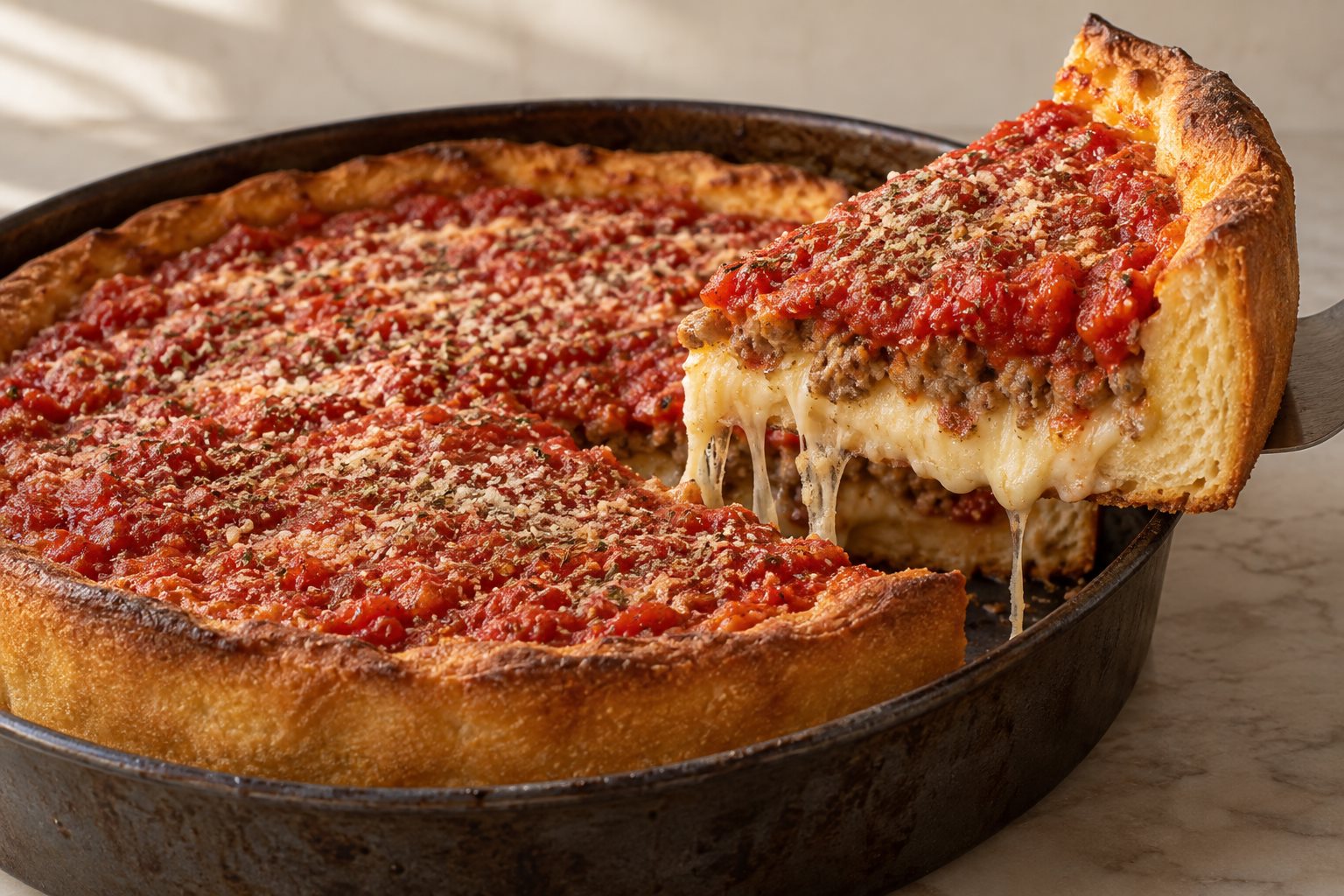
A short, oily dough pressed up the walls of a steel pan, lined with sliced mozzarella, filled with sausage and covered with barely cooked tomato — built upside down so that half an hour in the oven does not burn the cheese.
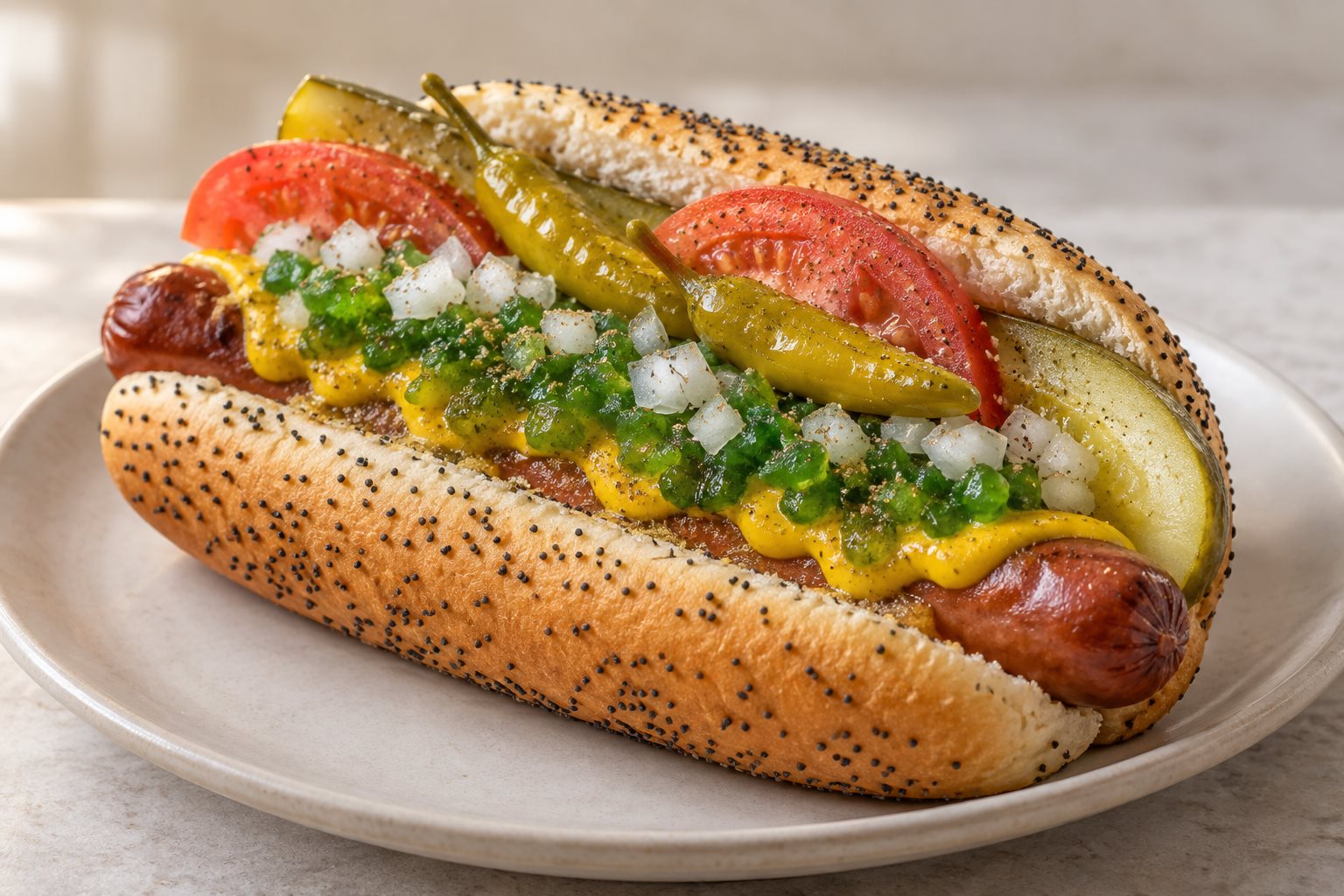
An all-beef natural-casing frankfurter steamed rather than boiled, laid in a steamed poppy-seed bun, and buried under seven things added in a fixed order, finishing with celery salt over the lot.
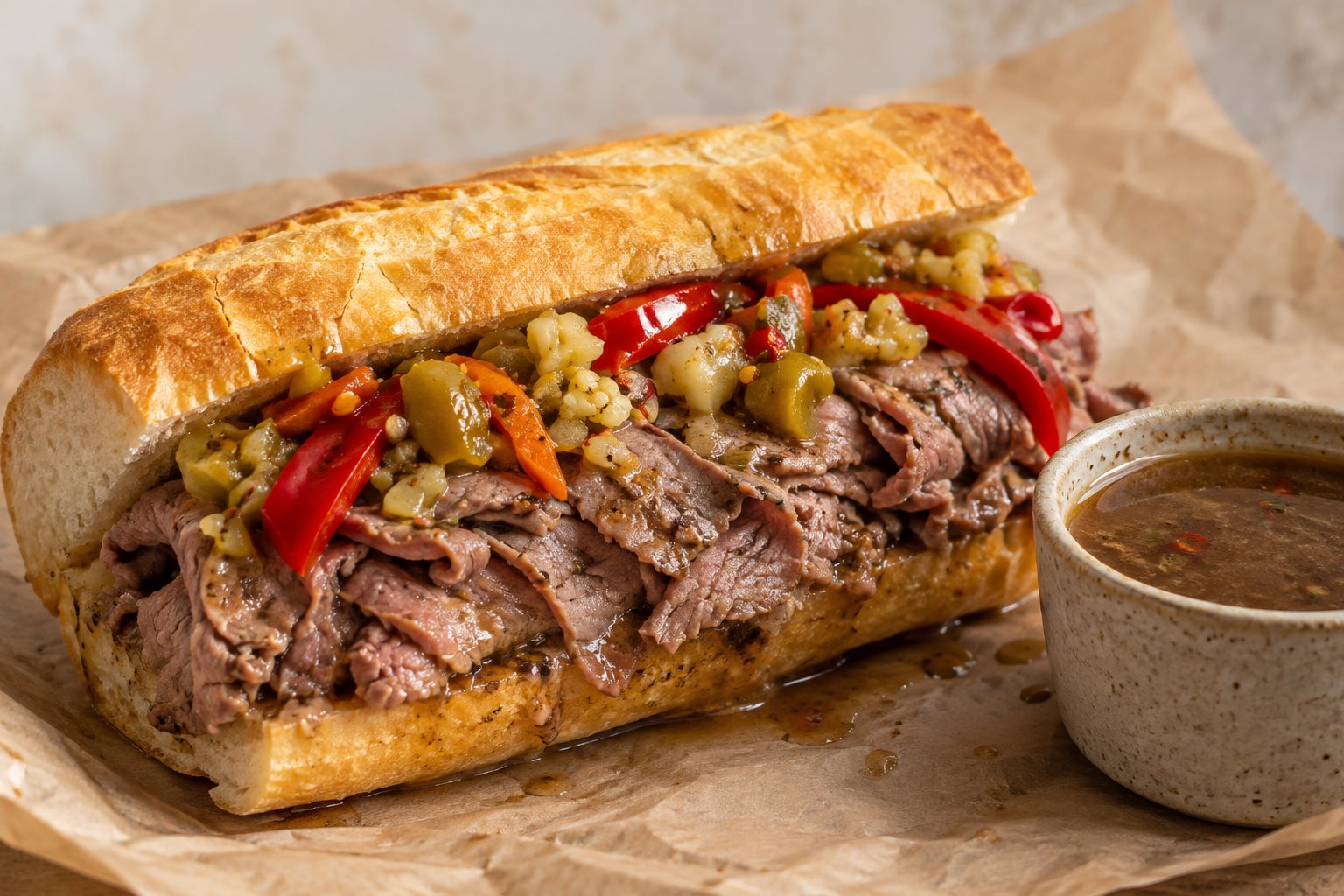
A lean round roast cooked rare, chilled hard overnight, shaved to the thickness of paper against the grain, then warmed through in its own seasoned juice and loaded into a roll that gets dipped in the same juice on the way out.
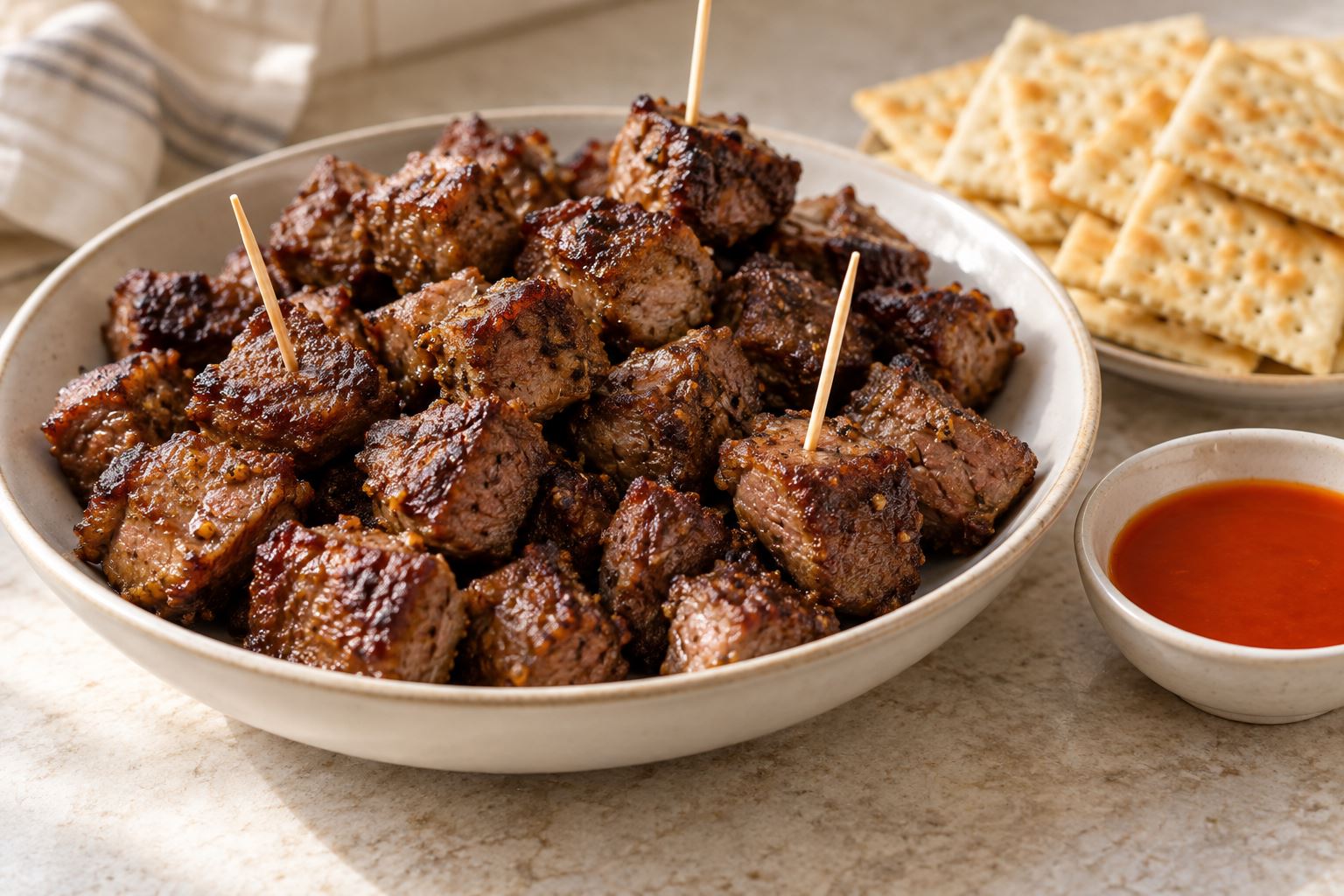
Cubes of lamb fried hard in deep fat, hit with garlic salt the second they come out, and eaten off toothpicks with saltines — the official nosh of South Dakota by act of the legislature.